
AUS Test Squad 2026: Power, Precision, and Preparation

Introduction
Cricket’s longest format demands not just skill, but stamina, mental resilience, and team cohesion. As the 2026 Test season approaches, the Australian cricket team is sharpening its focus on three fundamental pillars — Power, Precision, and Preparation. The current Test squad is being designed to harness Australia’s traditional strengths — fast bowling aggression, batting depth, and exceptional fielding intensity — while also adapting to modern challenges such as demanding overseas tours, extended schedules, and the constantly evolving tactics of world cricket.
This article explores how the composition of the Australian Test squad reflects these three guiding principles, how leadership and management are aligning behind a unified strategy, and which key players and emerging stars will be central to Australia’s ambitions in 2026 and beyond.
The Landscape: Why 2026 Matters
The Test format remains the purest and most challenging form of cricket, testing not only a team’s skill but also its endurance, strategy, and adaptability. With the ICC World Test Championship continuing to shape international cricket, 2026 presents an opportunity for Australia to reaffirm its dominance and refine its approach in varied global conditions.
To stay ahead, Australia must build a squad capable of winning not only on home soil but also in diverse environments such as Asia, the Caribbean, and England. This requires versatility — players who can adjust their games according to the demands of the pitch, weather, and opposition.
The philosophy of “Power, Precision, and Preparation” perfectly encapsulates this mission. Power refers to the ability to dominate — through raw pace, aggressive batting, or intense fielding. Precision highlights discipline, consistency, and tactical sharpness — essential qualities in Test cricket. Preparation represents the behind-the-scenes work: fitness regimens, mental conditioning, data analytics, and scheduling — all ensuring that the squad is physically and mentally ready for every battle.
Leadership and Coaching: Setting the Tone
At the forefront of Australia’s Test campaign stands Pat Cummins, a captain whose leadership style reflects the very core of this philosophy. Cummins embodies power through his aggressive pace bowling, precision through his tactical awareness, and preparation through his disciplined approach to fitness and strategy.
The coaching and support staff have built a system that emphasizes holistic preparation. From video analysis to workload management and mental conditioning, every aspect of the players’ development is monitored and refined. The selection committee now uses performance data, injury records, and adaptability metrics to identify the best-fit players for each condition.
Given the physical demands of Test cricket, especially for fast bowlers, the management has also introduced structured rotation policies to maintain longevity and prevent burnout. The focus is not only on short-term wins but on sustaining excellence over multiple series.
Power: The Pace Attack and Batting Depth
The Pace Arsenal
Australia’s pace battery has always been the foundation of its Test dominance. The 2026 strategy aims to maintain that tradition while adding depth and flexibility. The ideal attack must be capable of exploiting pace-friendly home wickets while maintaining accuracy and discipline overseas.
Veterans like Mitchell Starc (if still active) bring invaluable experience and raw pace, while emerging quicks like Lance Morris represent the next generation of Australian fast bowlers — energetic, fierce, and capable of delivering bursts of speed that unsettle even the best batters. This balance of experience and youth defines the “power” that drives Australia’s bowling unit.
Power, in this context, is not just about speed; it’s about sustained pressure. It’s the ability to extract bounce, target the stumps, and create opportunities through relentless, aggressive lines.
The Batting Core
In Test cricket, power with the bat requires both assertiveness and patience. Australia’s batting lineup continues to reflect a blend of traditional technique and modern adaptability. The team knows that flashy strokes alone don’t win five-day battles — temperament, concentration, and partnerships do.
The middle order remains critical. Australia’s batting strength lies in its ability to post imposing totals, bat deep into matches, and convert good starts into match-defining hundreds. “Power” in batting doesn’t just mean big hitting — it also means resilience under pressure and the capacity to shift gears according to the match situation.
Precision: The Fine Details
If power wins moments, precision wins matches. In the 2026 setup, precision is reflected in every discipline.
For bowlers, it’s about consistency — hitting the same spot over and over, reading pitch behavior, and adjusting lengths accordingly. For batters, it’s about calculated shot selection, rotating strike, and knowing when to attack or defend.
Australia’s fielding unit also thrives on precision. Modern Test cricket demands sharp reflexes, accurate throws, and flawless catching. A single dropped chance can change the outcome of a session, which makes fielding drills and positional discipline non-negotiable aspects of the squad’s preparation.
Precision also extends to selection. Choosing the right mix of experience and youth, pace and spin, is crucial for maintaining balance across different series. Data-driven analytics and workload tracking are increasingly being used to fine-tune decision-making, ensuring that the squad’s performance remains consistent across formats and conditions.
Preparation: The Backbone of Success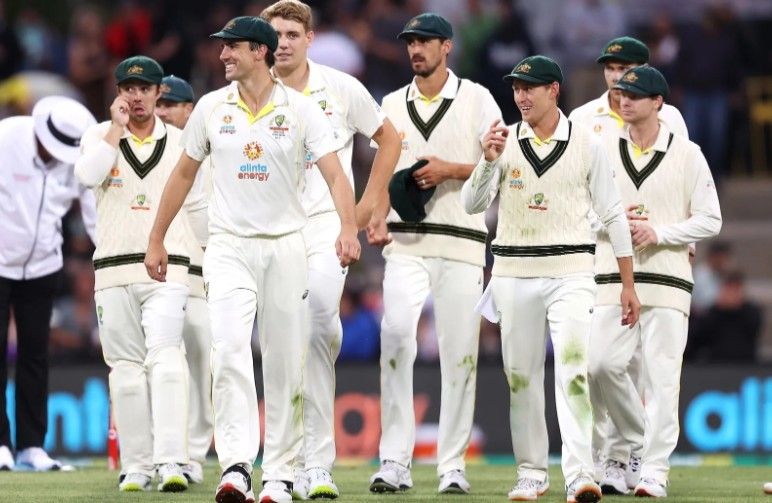
Behind every powerful performance lies meticulous preparation. The Australian squad’s readiness for 2026 rests on comprehensive planning that encompasses physical training, mental resilience, and tactical awareness.
A long Test calendar demands exceptional endurance. Fast bowlers, in particular, require strict workload management, recovery sessions, and injury-prevention programs. Each player’s fitness metrics are closely monitored, allowing coaches to schedule rest periods and tailor training sessions.
Preparation also involves strategic adaptation. Tours in Asia or the subcontinent require specific planning: spin-focused training, practice matches on turning wickets, and a patient batting approach. Australia’s preparation includes overseas camps, match simulations, and detailed opposition research to ensure adaptability.
Equally important is the mental side. Maintaining focus through five-day battles is a challenge in itself. Through sports psychologists, leadership mentorship, and experience-sharing by senior players, the team fosters a strong Test mindset — one that values patience, persistence, and composure.
Squad Composition: Balance and Flexibility

The 2026 Test squad is built on balance — the right combination of openers, middle-order batters, all-rounders, pacers, spinners, and a wicketkeeper who can contribute with the bat.
At home, Australia continues to favor pace-dominant lineups, taking advantage of bounce and seam-friendly surfaces. For away series, particularly in Asia, the focus shifts toward spin options and batting patience. The goal is to maintain versatility without compromising the team’s identity.
Recent squad selections have included stalwarts like Pat Cummins (captain), Scott Boland, Alex Carey, Cameron Green, Josh Hazlewood, Travis Head, Usman Khawaja, Marnus Labuschagne, Nathan Lyon, Mitchell Marsh, and Steve Smith. Alongside them, emerging players such as Beau Webster are being groomed to bring fresh energy and adaptability.
Depth is a key aspect of preparation. Injuries and form fluctuations are inevitable in a long season. Having a ready bench — players who can seamlessly step into any role — ensures that the squad remains “powerful,” “precise,” and “prepared” at all times.
Key Player Profiles
Pat Cummins
As captain, Cummins embodies the essence of modern leadership — strategic, calm, and inspirational. His bowling is pure power, capable of breaking partnerships and turning matches. His tactical acumen and disciplined approach represent precision, while his personal fitness and consistency reflect preparation at the highest level.
Josh Hazlewood
Hazlewood is the definition of precision. Unlike tearaway quicks, his strength lies in accuracy and seam control. He consistently attacks the corridor of uncertainty, maintaining relentless pressure. His contribution ensures Australia’s bowling unit maintains balance and consistency.
Cameron Green
A rare all-rounder, Green provides both balance and explosiveness. His ability to contribute in both departments adds significant depth to the squad. However, for him, preparation is key — managing workload, staying injury-free, and refining both batting and bowling techniques for the Test arena.
Alex Carey
As wicketkeeper-batsman, Carey represents the dual importance of preparation and precision. Long keeping sessions test endurance and concentration, while his role with the bat demands patience and adaptability. His calm presence behind the stumps brings stability and confidence to the bowling unit.
Challenges Ahead
While Australia remains a powerhouse in Test cricket, the road ahead in 2026 is not without obstacles.
-
Overseas conditions: Subcontinental pitches demand spin proficiency and batting patience, areas where Australia has historically faced challenges.
-
Workload and injuries: Managing player health across formats is crucial to sustain peak performance.
-
Transition phase: With senior players nearing the twilight of their careers, grooming the next generation is essential.
-
Opposition evolution: Other teams are studying Australia’s strategies; tactical innovation will be key.
-
Mental endurance: The ability to maintain focus across long series and respond to setbacks defines championship teams.
To counter these, Australia’s management is emphasizing preparation — rotating players, managing travel schedules, and maintaining a large, flexible pool of Test-ready cricketers.
Looking Ahead: Goals and Vision for 2026

The roadmap for 2026 revolves around both short-term success and long-term sustainability. The team’s immediate goals include winning home series, conquering overseas challenges, and securing a place in the World Test Championship Final.
However, beyond trophies, the aim is to build a legacy — a squad capable of dominating the red-ball format for years to come. By blending youth with experience, and modern analytics with traditional discipline, Australia seeks to remain at the forefront of Test cricket’s evolution.
Conclusion
The phrase “Power, Precision, and Preparation” is more than a slogan — it is a philosophy guiding Australia’s Test cricket identity in 2026. Power represents the strength, aggression, and dominance that have long defined Australian cricket. Precision reflects tactical mastery, discipline, and attention to detail. Preparation embodies the unseen dedication — from fitness to mental conditioning — that transforms potential into performance.
For Australia to remain the gold standard in Test cricket, every player, coach, and support member must embody these values. As new challenges arise and rivals evolve, the true test will lie not just in skill, but in the ability to prepare better, execute smarter, and play harder.
Australia’s Test squad for 2026 is more than a team — it is a statement of intent: a blend of power, precision, and preparation built to conquer the world stage once again.